

A master’s degree can open doors to better career opportunities, higher salaries, and specialized expertise. But there’s one major roadblock: cost. Graduate programs in the United States often come with price tags exceeding $30,000, leaving many aspiring students burdened with significant debt.
Here’s the good news—free master’s degree programs exist. Whether through tuition-free universities abroad, fully funded programs in the U.S., or graduate assistantships that cover costs while you work, there are legitimate pathways to earning your degree without paying tuition.
This guide on how to get a free master’s degree will walk you through the types of free graduate programs available, where to find them, and how to strengthen your application to increase your chances of acceptance.
Types of Free Master’s Degree Programs
Tuition-Free Universities in Europe
Several European countries offer tuition-free or extremely low-cost graduate education, which is a great answer to the question of how to get a free master’s degree. Germany, Norway, and Finland are among the most popular destinations for Americans seeking affordable advanced degrees.
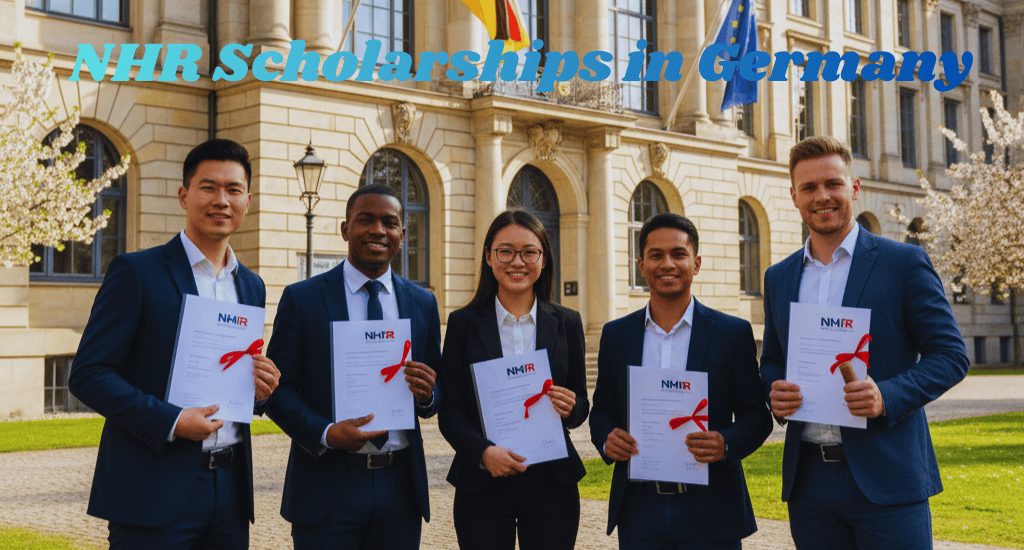
Germany is home to numerous public universities that charge little to no tuition for master’s programs. Students typically pay a small semester fee (around €150-€350) that covers administrative costs and public transportation. Programs are available in English across fields like engineering, computer science, business, and the humanities.
Norway offers tuition-free education at public universities for students of all nationalities. Living costs are higher than in other European countries, but the absence of tuition fees makes it an attractive option for those exploring how to get a free master’s degree and are willing to budget carefully.
Finland provides free tuition to students from EU/EEA countries. While non-EU students may face tuition fees, scholarships are widely available and can cover the full cost of attendance.
Other countries with affordable or free graduate programs include Austria, France, and Sweden. Each has its own application requirements and language expectations, so research is essential.
Fully Funded Graduate Programs in the U.S.
Many universities in the United States offer fully funded master’s programs, particularly in STEM fields, education, and public health. These programs typically cover tuition and provide a stipend for living expenses in exchange for teaching or research responsibilities.
STEM programs often come with generous funding packages. Departments in computer science, engineering, biology, and chemistry frequently offer assistantships or fellowships that eliminate tuition costs.
Public health and social work programs sometimes provide full funding through federal grants or partnerships with nonprofit organizations. These opportunities are competitive but accessible for students with strong academic records and relevant experience.
MBA programs occasionally offer merit-based scholarships that cover full tuition for top candidates. While less common than in other fields, these scholarships reward exceptional leadership potential and professional achievement.
Graduate Assistantships and Fellowships
Graduate assistantships are one of the most common ways to attend graduate school for free in the U.S. These positions come in two main forms: teaching assistantships (TAs) and research assistantships (RAs).
Teaching assistantships require students to assist professors with undergraduate courses by leading discussion sections, grading assignments, or holding office hours. In return, students receive tuition remission and a monthly stipend.
Research assistantships involve working on faculty-led research projects. These positions are particularly common in science and engineering programs, where professors have grant funding to support graduate students.
Fellowships are another form of funding that doesn’t require work responsibilities. These merit-based awards cover tuition and living expenses, allowing students to focus entirely on their studies. Fellowships are highly competitive and often awarded based on academic excellence, research proposals, or demonstrated leadership.
How to Find Free Master’s Degree Programs
Research Universities with Funding Opportunities
Start by identifying universities known for offering strong financial support to graduate students. Public universities often have more funding available than private institutions, though exceptions exist.
Visit program websites and look for information on assistantships, fellowships, and tuition waivers. Many departments list funding opportunities directly on their admissions pages. If details aren’t readily available, contact the graduate program coordinator to ask about financial support options.
Use Online Resources and Databases
Several online platforms compile information on tuition-free and fully funded graduate programs:
- DAAD (German Academic Exchange Service) provides a database of programs in Germany, along with scholarship opportunities for international students.
- Study in Norway and Study in Finland offer official resources for exploring graduate programs in those countries.
- Peterson’s and GradSchools.com allow you to filter programs by funding availability in the U.S.
These tools can save time and help you discover opportunities you might not find otherwise.
Network with Alumni and Current Students
Reach out to people who have attended programs you’re interested in. Alumni and current students can provide firsthand insights into funding opportunities, application strategies, and what life is really like in the program.
LinkedIn is a valuable tool for finding and connecting with graduates. Join Facebook groups or online forums dedicated to graduate school admissions, where members often share advice and resources.
Application Strategies for Free Graduate Programs
Craft a Compelling Personal Statement
Your personal statement is your chance to stand out. Admissions committees want to understand your motivations, goals, and why you’re a strong fit for their program.
Be specific about your research interests or career objectives. If you’re applying for a research-heavy program, mention faculty members whose work aligns with yours. Demonstrating that you’ve done your homework signals genuine interest.
Highlight experiences that showcase your qualifications, whether through academic projects, internships, or professional work. Connect these experiences to your future goals and explain how the program will help you achieve them.
Secure Strong Letters of Recommendation
Letters of recommendation carry significant weight in graduate admissions. Choose recommenders who know you well and can speak to your academic abilities, work ethic, and potential for success.
Professors, research advisors, and supervisors make excellent recommenders. Give them plenty of notice and provide context about the programs you’re applying to so they can tailor their letters accordingly.
Tailor Your Application to Each Program
Avoid submitting generic applications. Each program has unique strengths, faculty expertise, and funding structures. Customizing your materials shows that you’ve taken the time to understand what makes each program special.
When applying to assistantship-based programs, emphasize relevant teaching or research experience. If you’re applying to European universities, make sure your application materials meet their specific formatting and content requirements, which may differ from U.S. standards.
Real Stories: Students Who Earned Free Master’s Degrees
Maria, a software engineer from California, completed a tuition-free master’s in data science at a public university in Berlin. She applied to five programs, was accepted to three, and chose Germany for its vibrant tech scene and zero tuition costs. Her degree opened doors to roles at top European tech companies.
James, a public health professional, earned his master’s through a fully funded program at a U.S. university. He worked as a research assistant, which not only covered his tuition but also allowed him to contribute to groundbreaking studies on infectious diseases. The experience strengthened his resume and led to a position at a global health nonprofit.
Sofia, an aspiring educator, attended a free master’s program in Norway. Although living expenses were high, she worked part-time and received a small scholarship that helped cover costs. She now teaches in an international school and credits her experience abroad with shaping her teaching philosophy.
These stories demonstrate that free master’s degrees aren’t just theoretical—they’re real opportunities that require research, preparation, and determination.
Your Path to a Debt-Free Graduate Degree
Pursuing a free master’s degree is entirely possible with the right approach. Whether you explore tuition-free universities in Europe, apply for fully funded programs in the U.S., or secure a graduate assistantship, the key is to start early, stay organized, and apply strategically.
Research programs thoroughly, reach out to current students and alumni, and invest time in crafting strong application materials. The effort you put in now can save you tens of thousands of dollars and set you up for long-term success.
The opportunity How to Get a Free Master’s Degree is there. Now it’s up to you to take the next step.
| About StudyTribune StudyTribune was built to solve one problem: scholarship information is scattered across hundreds of official websites, embassies, and university portals. This platform researches, verifies, and consolidates that information so students can find what they need in one place. All deadlines and eligibility details are sourced from official programme websites and updated regularly. |